How To Get Wider Shoulders
Note: If you are viewing exercise videos on a mobile device, please switch to horizontal view for the best experience.
How to Get Wider Shoulders: Exercises and Workout
Broad shoulders can make the upper body appear stronger and create a more noticeable V-shaped physique. Although your bone structure affects your natural shoulder width, building the deltoids and upper back can make a substantial difference to how wide your shoulders look.
The most important area is the side, or lateral, deltoid. This forms the outer portion of the shoulder and adds width when viewed from the front or back. The rear deltoids, upper back and latissimus dorsi also contribute to a broader and more balanced appearance.
You do not need unusual exercises or an extremely high-volume routine. A combination of lateral raises, overhead pressing, rear-delt work and upper-back exercises performed consistently is usually the most practical approach.
If you would like advice on adapting your routine, you can also ask other members in the RMF Training Forum.
Can You Make Your Shoulders Wider?
The length of your clavicles and the shape of your shoulder blades are largely determined by genetics. Once you are an adult, exercise will not lengthen your collarbones or permanently spread the bones of your shoulder girdle.
Training can, however, increase the size of the muscles surrounding those bones. Developing the side deltoids adds thickness to the outer shoulder, while building the rear deltoids, trapezius, upper back and lats can make the whole upper body appear broader.
Reducing exc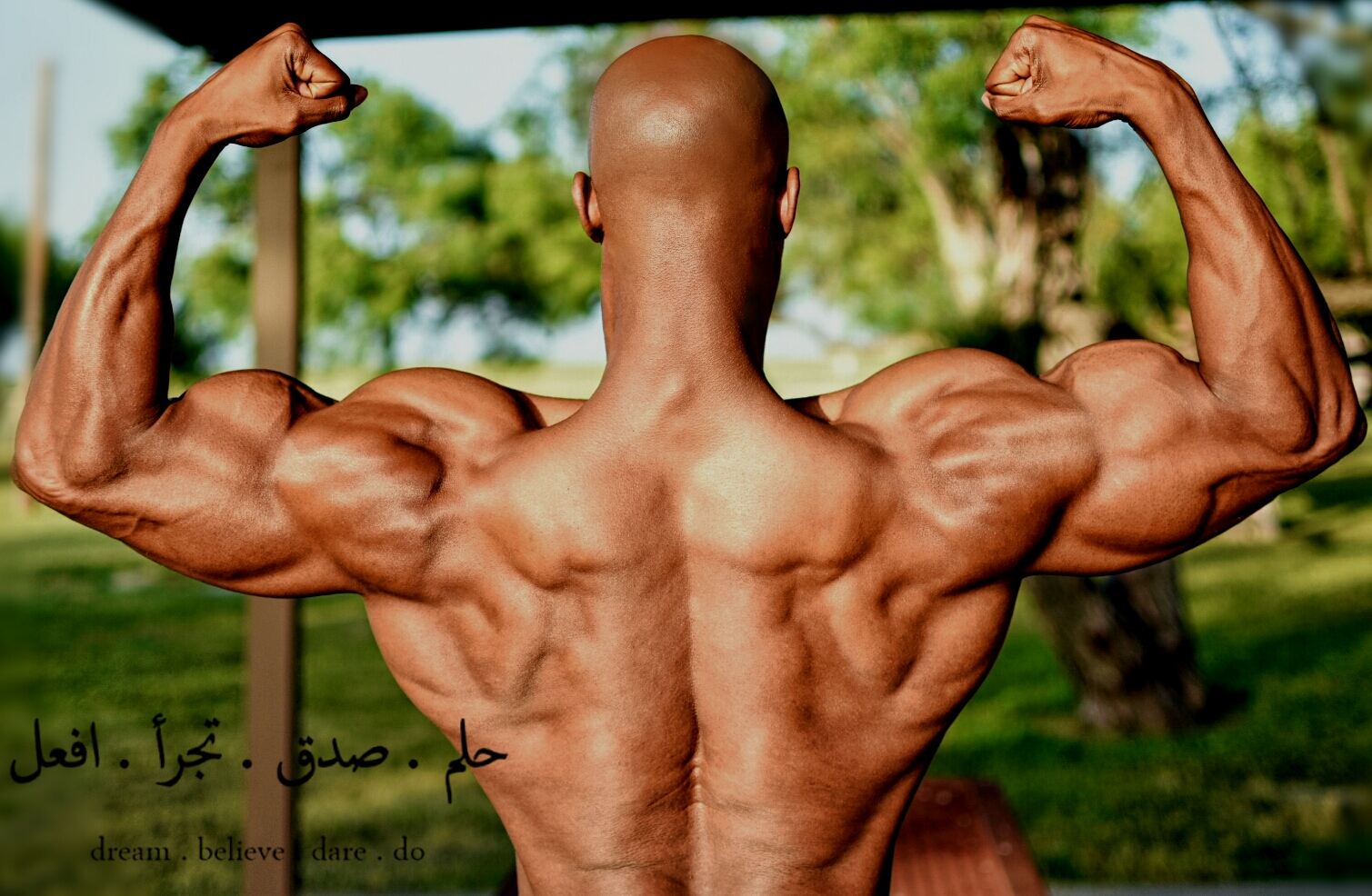 ess body fat around the waist may also make the difference between the shoulders and waist more noticeable. This creates the appearance of greater shoulder width even though your underlying bone structure has not changed.
Posture plays a smaller but still useful role. Standing with your chest naturally lifted and your shoulders in a comfortable position can improve your appearance, but forcing your shoulders back throughout the day is unnecessary. Strengthening the upper back and maintaining good shoulder mobility is a better long-term approach.
Which Muscles Make the Shoulders Look Wider?
The shoulder is covered by the deltoid, which has three main sections:
- Front deltoid: Works strongly during overhead presses, bench presses and incline presses.
- Side deltoid: Raises the arm away from the body and contributes most directly to visible shoulder width.
- Rear deltoid: Moves the upper arm backwards and helps create a fuller appearance when the shoulders are viewed from the side or rear.
The trapezius, rhomboids and rotator-cuff muscles help control and stabilise the shoulder blades. The lats aren’t part of the shoulder, but larger lats can make the upper body look wider and improve the overall V-taper.
If you are unsure which muscles your current programme covers, the RMF guide to choosing which muscles to exercise provides a useful overview.
The Best Exercises for Wider Shoulders
1. Cable Lateral Raise
The cable lateral raise directly trains the side deltoid and maintains resistance throughout much of the movement. Performing it one arm at a time also makes it easier to concentrate on each shoulder.
Set the cable to its lowest position and stand side-on to the machine. Hold the handle with the hand furthest from the cable and raise your arm out to the side. Stop at approximately shoulder height, then lower the handle under control.
Keep the weight light enough to avoid leaning, swinging, or shrugging your shoulder toward your ear. The purpose is to move the upper arm using the deltoid rather than generate momentum with the rest of the body.
A study comparing cable and dumbbell lateral raises found that both variations produced similar lateral-deltoid growth. This means you can use whichever option feels more comfortable and is easier to perform consistently.
Suggested range: 2–4 sets of 10–20 repetitions per arm.
2. Dumbbell Lateral Raise
Dumbbell lateral raises are convenient and require very little equipment. Hold a dumbbell in each hand with your elbows slightly bent. Raise your arms outward until they are close to shoulder height, pause briefly, then lower them slowly.
Avoid turning the movement into a shrug or throwing the dumbbells upwards. If you cannot control the lowering portion, the weight is probably too heavy.
You can perform lateral raises standing or seated. The seated version reduces the opportunity to use leg drive and may encourage stricter repetitions.
Suggested range: 2–4 sets of 10–20 repetitions.
3. Machine Lateral Raise
A lateral-raise machine provides a stable movement path and allows you to concentrate on the side deltoids without worrying about balancing the weight.
Adjust the seat so the machine’s pivot is approximately level with your shoulder joint. Keep your torso against the pad and raise the arms smoothly. Do not allow the weight stack to crash down between repetitions.
Machine lateral raises can work particularly well near the end of a session, when fatigue makes strict dumbbell repetitions more difficult.
Suggested range: 2–4 sets of 12–20 repetitions.
4. Seated Dumbbell Shoulder Press
The shoulder press trains all three sections of the deltoid, although the front deltoids normally perform the greatest share of the work. It also strengthens the triceps and develops general overhead pressing strength.
Sit on a supportive bench and start with the dumbbells at about shoulder level. Press them upwards without aggressively arching your lower back. Lower the weights to a comfortable depth, then repeat.
Your elbows do not need to point directly sideways. Keeping them slightly forward often creates a more natural and comfortable pressing position.
You can use a barbell or machine press instead if it feels better on your shoulders. Pressing the weight behind the neck isn’t necessary to build wider shoulders and may be uncomfortable for people without sufficient shoulder mobility.
Suggested range: 3–4 sets of 6–12 repetitions.
5. Reverse Pec Deck
The reverse pec deck targets the rear deltoids and upper-back muscles. Sit facing the machine with your chest against the pad. Hold the handles and move your arms outwards until they are roughly in line with your torso.
Keep your shoulders down and avoid turning the exercise into an exaggerated shoulder-blade squeeze. The rear deltoids should move the upper arms backwards while the torso remains still.
Suggested range: 2–4 sets of 10–20 repetitions.
6. Face Pull
Face pulls train the rear deltoids and several muscles that control the shoulder blades.
Attach a rope to a cable set at approximately face height. Pull the rope towards your forehead while separating your hands. Your elbows should travel outwards rather than remaining close to your sides.
Use a controlled weight. Pulling a heavy stack with your whole body usually reduces the amount of useful work performed by the intended muscles.
Suggested range: 2–3 sets of 12–20 repetitions.
7. Pull-Ups or Lat Pulldowns
Pull-ups and pulldowns do not lengthen the shoulder bones, but they can build the lats and contribute to a broader-looking upper body.
Use a grip that allows a comfortable range of motion. An extremely wide grip isn’t essential and may shorten the movement without adding benefit.
Pull your elbows down towards your sides and avoid using excessive momentum. If you cannot yet perform controlled pull-ups, a pulldown machine or assisted pull-up machine is a perfectly suitable alternative.
Suggested range: 3–4 sets of 6–12 repetitions.
You can find more lat-training options in our guide to the best lower-lat exercises for developing a V-taper.
Wider-Shoulder Workout
Perform this workout once or twice a week, depending on the rest of your training programme.
| Exercise | Sets | Repetitions |
|---|---|---|
| Seated dumbbell shoulder press | 3 | 6–10 |
| Cable lateral raise | 3 | 10–15 per arm |
| Machine or dumbbell lateral raise | 2 | 12–20 |
| Reverse pec deck | 3 | 12–20 |
| Pull-up or lat pulldown | 3 | 8–12 |
| Face pull | 2 | 12–20 |
You don’t have to do every exercise in one session. If you already follow an upper- and lower-body programme or a push-pull-legs routine, distribute these movements across the relevant workouts.
For example, you could include shoulder presses and lateral raises in a push session, while reverse pec deck work, face pulls, and pulldowns could go in a pull session.
How Often Should You Train Your Shoulders?
Training shoulders twice per week works well for many people because it divides the weekly workload into manageable sessions. Training them once per week can also work if the session includes enough productive work and you keep progressing.
Begin with a modest amount of direct side- and rear-delt work, perhaps six to ten challenging sets for each area across the week. Remember that the front deltoids already receive considerable stimulation from bench presses, incline presses and overhead presses.
Add more sets only when you are recovering well, and your performance is improving. Constant soreness, declining repetitions and persistent joint discomfort are not signs that you need even more volume.
The latest American College of Sports Medicine resistance-training guidance emphasises that consistency and progressive resistance are more important for most people than following an unnecessarily complicated routine.
How to Progress
Muscle growth requires the exercises to become more challenging over time. This doesn’t mean increasing the weight every workout.
You can progress by:
- Performing another controlled repetition with the same weight.
- Increasing the weight while remaining within the target repetition range.
- Improving your technique and reducing momentum.
- Using a slightly greater comfortable range of motion.
- Adding a set when your current workload no longer produces progress.
For lateral and rear-delt exercises, small increases are particularly useful. Moving from a 6 kg dumbbell to an 8 kg dumbbell represents a large percentage increase, so adding repetitions before increasing the weight may be more practical.
Keep a record of your exercises, weights, sets and repetitions. If your performance gradually improves while your technique stays consistent, your training is moving in the right direction.
Common Shoulder-Training Mistakes
Using Too Much Weight on Lateral Raises
Heavy weights often cause the upper trapezius, hips and lower back to take over. Choose a load that allows you to raise and lower the weight deliberately.
Relying Only on Pressing Exercises
Bench presses and shoulder presses are useful, but they tend to emphasise the front deltoids. Include direct side- and rear-delt exercises for more balanced shoulder development.
Performing Excessive Volume
More sets are not automatically better. Once fatigue significantly reduces the quality of your reps, extra work may provide little benefit while making recovery harder.
Changing Exercises Too Frequently
Give an exercise enough time to produce measurable progress. Changing every movement each week makes it hard to tell whether you are getting stronger.
Ignoring Pain
Muscular effort and fatigue are expected, but you shouldn’t train through sharp or persistent shoulder pain. Stop the aggravating exercise and consider seeking advice from a qualified physiotherapist or medical professional.
Frequently Asked Questions
Can naturally narrow shoulders become wider?
You cannot change the length of your collarbones through exercise, but you can build the deltoids, upper back and lats. This can make naturally narrow shoulders look considerably broader.
Are lateral raises the best exercise for shoulder width?
Lateral raises are one of the most direct ways to train the side deltoids, which contribute strongly to visible width. They work best as part of a balanced programme that also contains pressing and rear-delt work.
Are overhead presses enough to build wide shoulders?
Overhead presses are valuable, but they usually place more emphasis on the front deltoids than the side deltoids. Most people seeking greater shoulder width will benefit from adding lateral raises.
Do pull-ups make your shoulders wider?
Pull-ups do not change the width of your bones. They can build the lats and upper back, which helps create a broader upper body and a more noticeable V-taper.
How long does it take to build wider shoulders?
You may improve your strength within several weeks, but visible muscle growth normally takes longer. Consistent training, proper nutrition, and adequate recovery over several months matter more than chasing immediate changes.
Final Thoughts
Your natural bone structure establishes the basic width of your shoulders, but it does not determine the final appearance of your upper body.
Building the side and rear deltoids, together with the upper back and lats, can make your shoulders look broader and create a more balanced physique. Concentrate on controlled lateral raises, productive pressing, rear-delt work and steady progression rather than chasing extremely heavy weights or excessive numbers of sets.
Choose exercises that feel comfortable, record your performance and allow enough time for the programme to work.